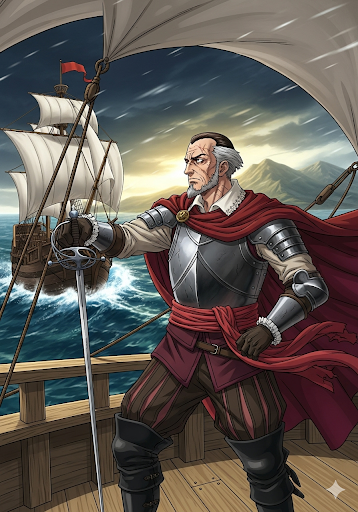
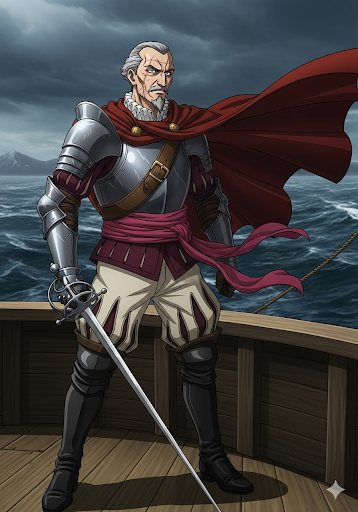
For years, the tale of Hernán Cortés and his victory over the mighty Aztecs had echoed across the Atlantic. Francisco Pizarro, a hardened veteran from Spain, heard the whispers of an empire even richer, deeper in the mountains of South America: Tawantinsuyu, the Incan Empire. He sailed with a small, desperate crew, fueled by a singular, blinding ambition.
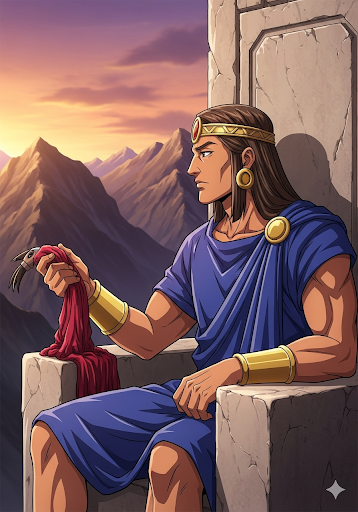
But the Incas were not waiting peacefully. The empire was tearing itself apart. Two brothers, Atahualpa and Huáscar, had just finished a brutal civil war for the title of Sapa Inca, or Sole Ruler. Atahualpa was the victor, but the wounds of war were fresh, and the empire was fractured and reeling.
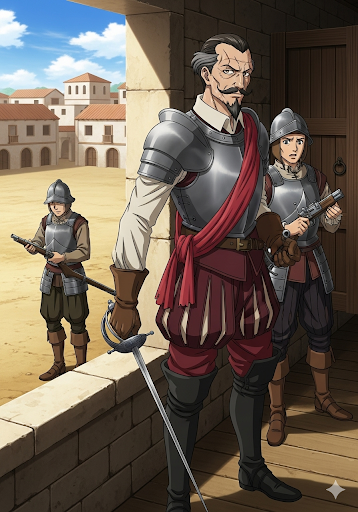
In November 1532, Pizarro’s tiny force of less than 200 men reached the city of Cajamarca. Atahualpa, resting nearby with tens of thousands of victorious soldiers, saw the Spaniards as curious, rather foolish intruders. He agreed to meet them, confident in his own power and the strength of his empire.
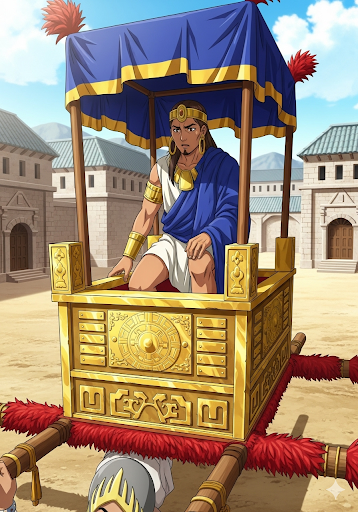
Pizarro, remembering Cortés’s successful audacity in Tenochtitlan, planned a bold, unthinkable trap. The Spaniards hid within the empty buildings of the city square. When Atahualpa arrived, carried in a magnificent procession, a friar named Vicente de Valverde stepped forward with a Bible and demanded the Sapa Inca accept Christianity and the King of Spain.
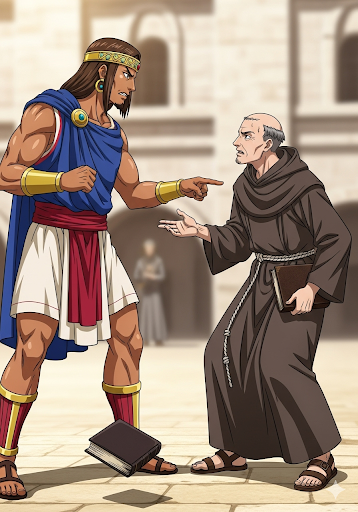
Atahualpa took the foreign book, listened to the foreign priest’s translation, and when he saw no spiritual power, he threw the Bible to the ground. "By what authority do you make this claim?" he demanded. This was the signal.
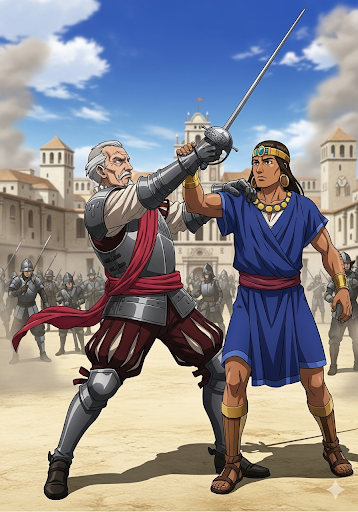
Cannon and musket fire exploded from the city’s shadows. The ambush was brutal and swift. The Incan soldiers, unarmed for a diplomatic meeting and terrified by the sound and smoke of the Spanish weapons, panicked. Despite the immense imbalance in numbers, the battle was over in minutes.
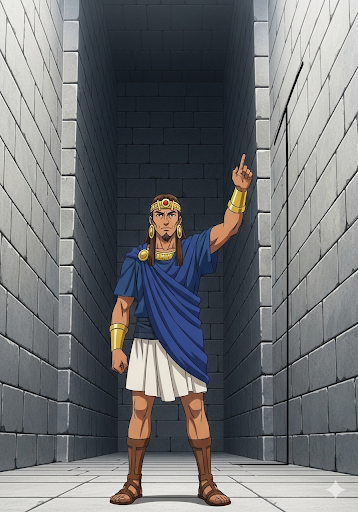
Atahualpa was captured. To buy his freedom, he made an offer that seemed absurd: he would fill a room twenty-two feet long, seventeen feet wide, and nine feet high with gold once, and the adjacent room twice with silver. Pizarro, stunned by the sheer wealth, agreed.
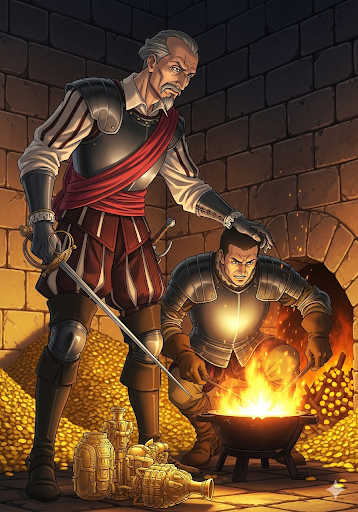
For months, gold and silver arrived from every corner of the empire. It was the largest ransom in history. But even as the room was filled and the wealth was melted down into Spanish bars, Pizarro’s fear of a unified Incan counterattack grew. Atahualpa was too dangerous alive.
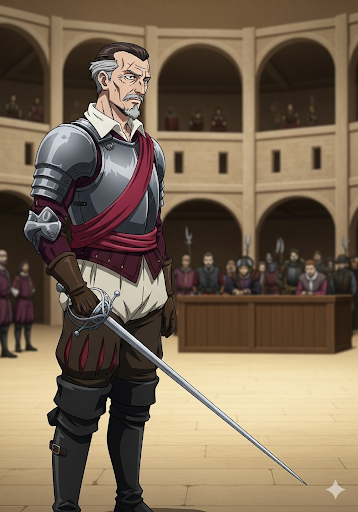
Though the ransom was paid, Pizarro did not release the Sapa Inca. Instead, he organized a sham trial. Atahualpa was accused of crimes that ranged from polygamy (a common practice among Incan royalty) to treason against Spain (a land he’d never seen). Found guilty, he was sentenced to death.
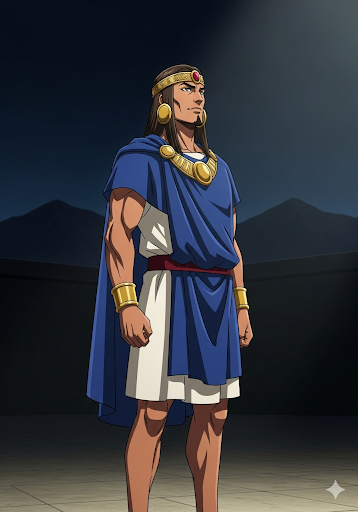
Atahualpa, the last truly independent Sapa Inca, was executed in July 1533. With their divine leader gone and their military command in disarray, the Incan resistance fractured. While the war would drag on for decades, Pizarro’s capture and execution of Atahualpa was the lethal, deciding blow that signaled the end of Tawantinsuyu.

 Share
Share