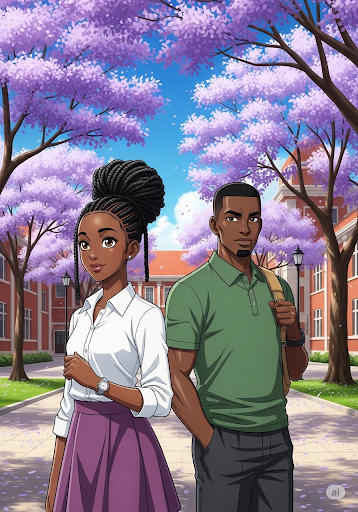
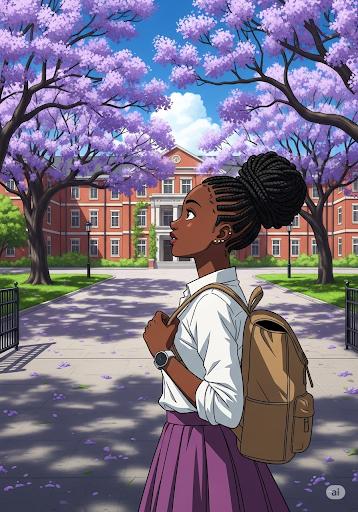
The morning sun draped over the brick buildings of Hillside Teachers College in Bulawayo. Tariro walked through the gates, her heart full of dreams of becoming a secondary school teacher. She loved the scent of the purple blossoms that lined the walkways, a symbol of growth and the bright future awaiting her and her fellow students.

In the library, Tariro sat with her friend Thabo. They were researching health sciences, specifically the definition of drug and substance abuse. "It’s not just about illegal things," Tariro whispered. "It is the harmful or hazardous use of any psychoactive substance, including alcohol and prescription drugs, for non-medical reasons that creates a pattern of dependence."
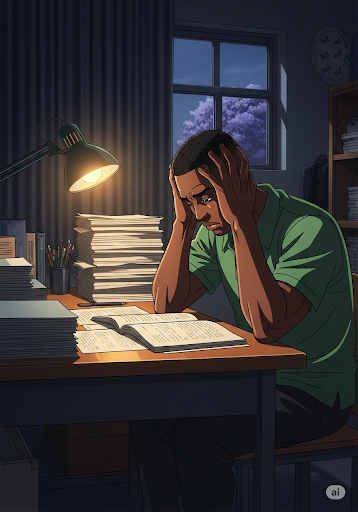
Thabo felt the weight of the world on his shoulders. The causes of substance abuse often start in the shadows of stress and anxiety. For many students, the pressure to pass exams, the fear of unemployment after graduation, and the desire to escape personal trauma create a void that they try to fill with a temporary, dangerous high.

Outside the campus, the social pressure was a different kind of trap. Thabo’s acquaintance, a former student, leaned against a wall near the city center. "Just one to help you stay awake and study," he urged. Peer influence and the need to feel part of a group often drive young adults toward choices they never thought they would make.
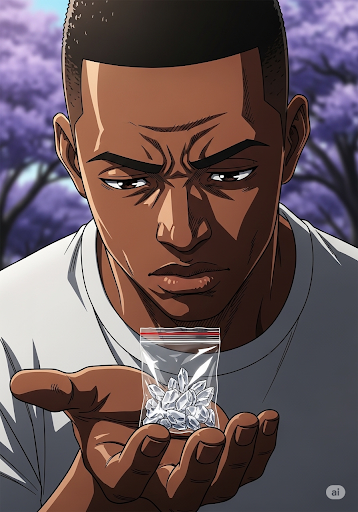
In Bulawayo, the streets whisper the names of the shadows. 'Mutotoriro'—the local name for Crystal Meth—has become a plague. Thabo looked at the small, clear crystals in a plastic sachet. It was cheap, accessible, and promised an energy that his tired body craved, but it was a promise built on a lie.
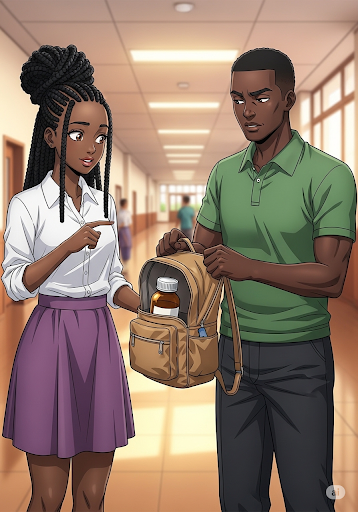
"What is that, Thabo?" Tariro asked later when she saw a brown bottle in his bag. It was 'Bronco,' or BronCleer, a potent cough syrup often smuggled and sold illegally. Along with 'mbanje' and various 'skante' pills, these substances had flooded the local markets, hiding behind the guise of simple medicine or recreation.
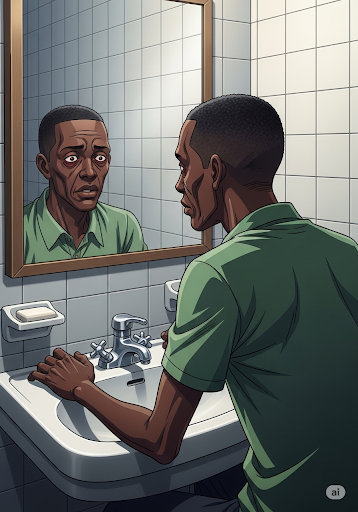
The effects began to show like cracks in a mirror. Thabo’s eyes grew sunken and red. He stopped eating, and his hands shook during teaching practice. The drug was attacking his central nervous system, causing paranoia and physical decay. The vibrant student who once led the debate team was fading into a ghost of himself.
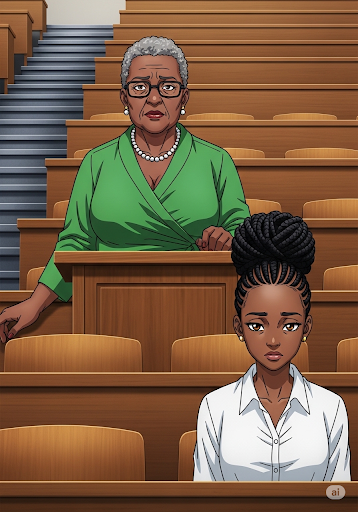
Mrs. Sibanda, their veteran lecturer, noticed the change from the front of the lecture hall. She saw how Tariro looked at Thabo’s empty seat with tears in her eyes. Substance abuse doesn't just hurt the user; it fractures families, ruins academic careers, and drains the soul of the community.
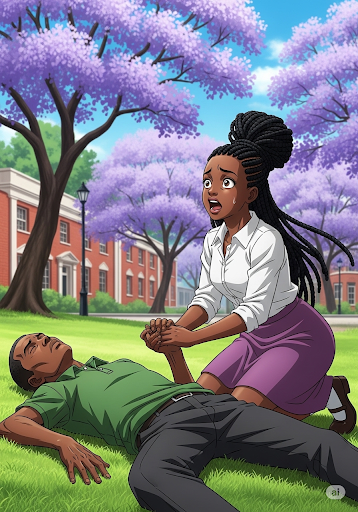
The breaking point came during a sweltering afternoon. Thabo collapsed on the college green, his heart racing uncontrollably from an overdose of 'mutotoriro.' Tariro ran to him, screaming for help. The 'quick fix' had led him to the doorstep of a tragedy that many Zimbabwean families have faced in recent years.
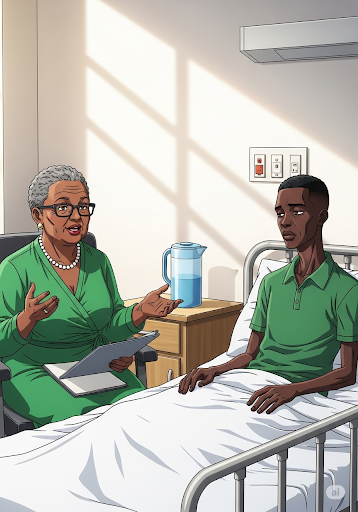
At the hospital, Mrs. Sibanda sat with Thabo. "The first step to a solution is intervention," she said softly. Since 2021, Zimbabwe has intensified its fight through the 'Operation No to Dangerous Drugs and Substances.' She explained that medical detoxification and professional counseling were the only ways back to the light.

Recovery required a village. Thabo joined a local support group and participated in the National Clean-Up Day, a government-led initiative that encouraged community pride and a drug-free lifestyle. Tariro stayed by his side, showing that social support and healthy environments are the strongest shields against relapse.

A year later, the Jacarandas were in bloom once more. Thabo stood on the graduation stage at Hillside, his diploma in hand. He had chosen life over the shadows. Together with Tariro, he pledged to teach his future students not just about books, but about the courage to say no and the strength to seek help.

 Share
Share